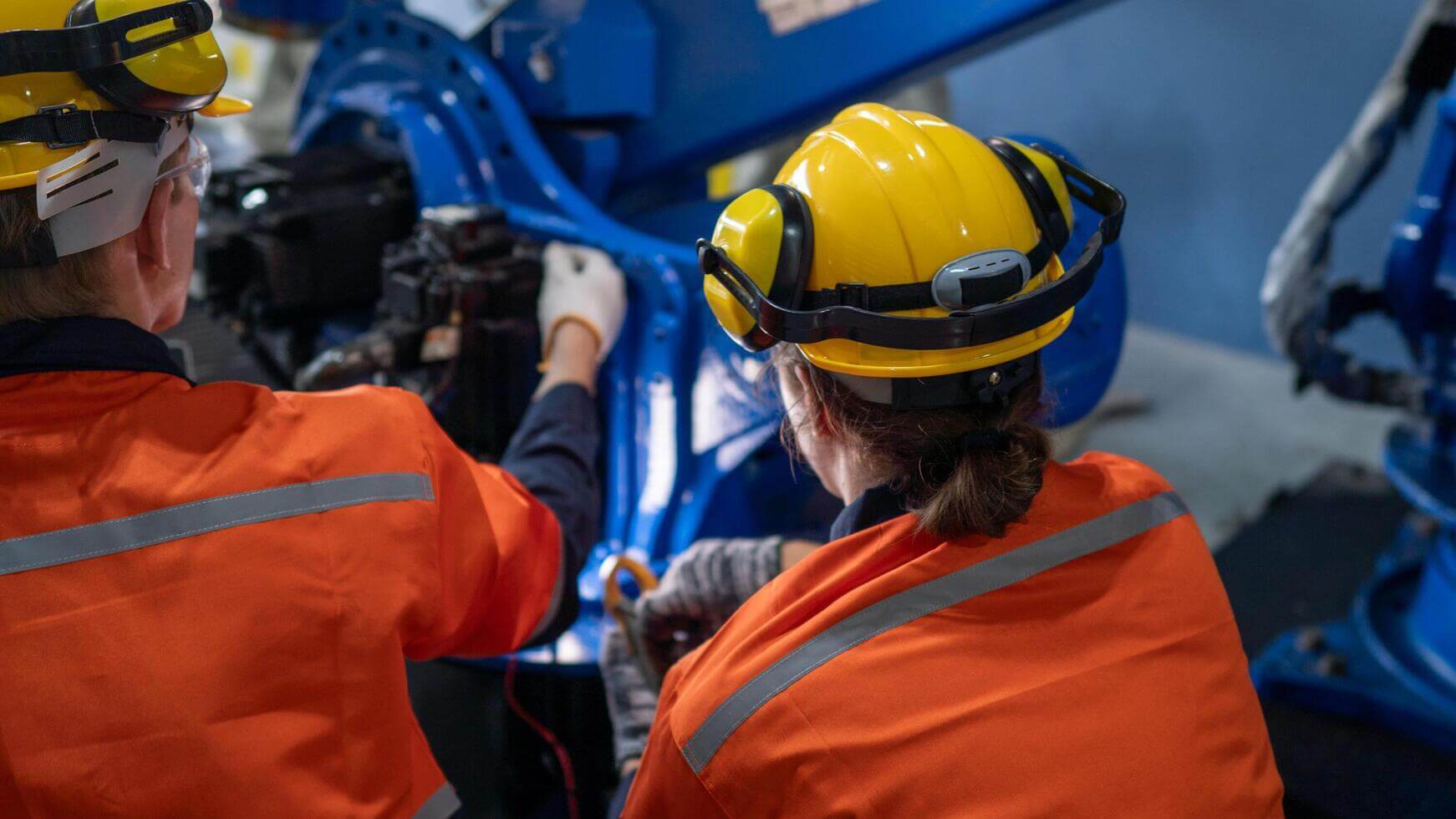
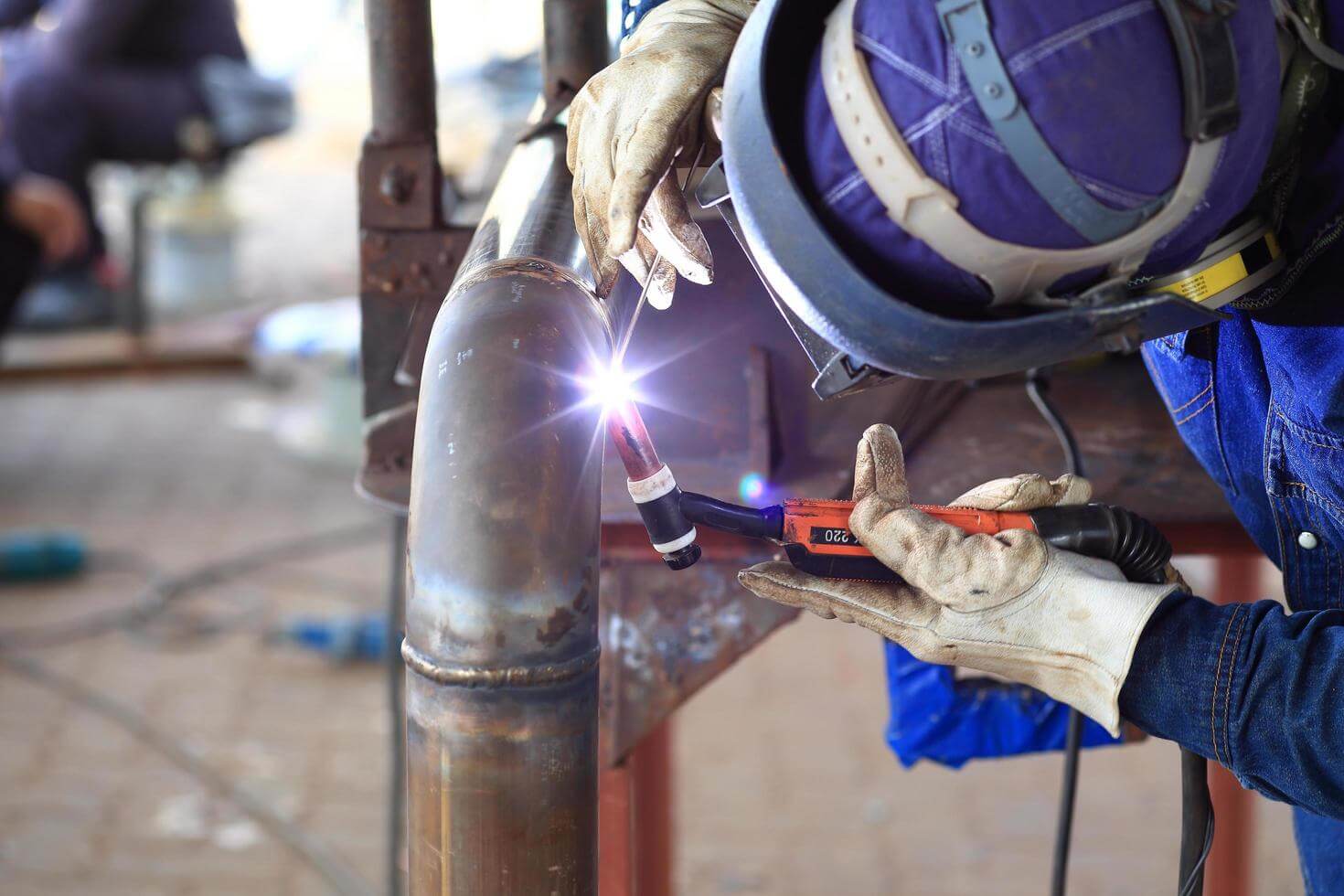
We offer varied welding supervision services such as welding procedure development, welding operator qualification, examination and Non-destructive testing of welds, validation of welding procedures. Our welding supervisors have their international welding certification from American Welding Society (AWS) and American Society for Nondestructive Testing (ASNT) form NDT certification.
FAQs:
- What are the key welding processes used in Welding Engineering?
-
Common welding processes include Shielded Metal Arc Welding (SMAW), Gas Metal Arc Welding (GMAW/MIG), Gas Tungsten Arc Welding (GTAW/TIG), and Submerged Arc Welding (SAW).
- What are the advantages of Welding Engineering?
-
It ensures high-quality, structurally sound welds, improves manufacturing efficiency, reduces defects, and ensures compliance with safety and industry standards.
- Where is Welding Engineering commonly applied?
-
It is widely used in industries such as shipbuilding, automotive, aerospace, pipelines, power plants, and heavy equipment manufacturing.
TRIPEX is a professional organization focused on corrosion control and prevention. TRIPEX provides certification programs and standards for coating and painting inspection in industries such as oil and gas, marine, infrastructure, and manufacturing. TRIPEX coating/painting inspection involves ensuring the quality, durability, and performance of protective coatings applied to structures, equipment, and surfaces to prevent corrosion and degradation.
TRIPEX coating/painting inspection involves:
- 1. Preparation Inspection: Before coating application, inspectors ensure that surfaces are properly prepared according to specifications. This may involve cleaning, blasting, or other surface preparation methods to remove contaminants, rust, or old coatings.
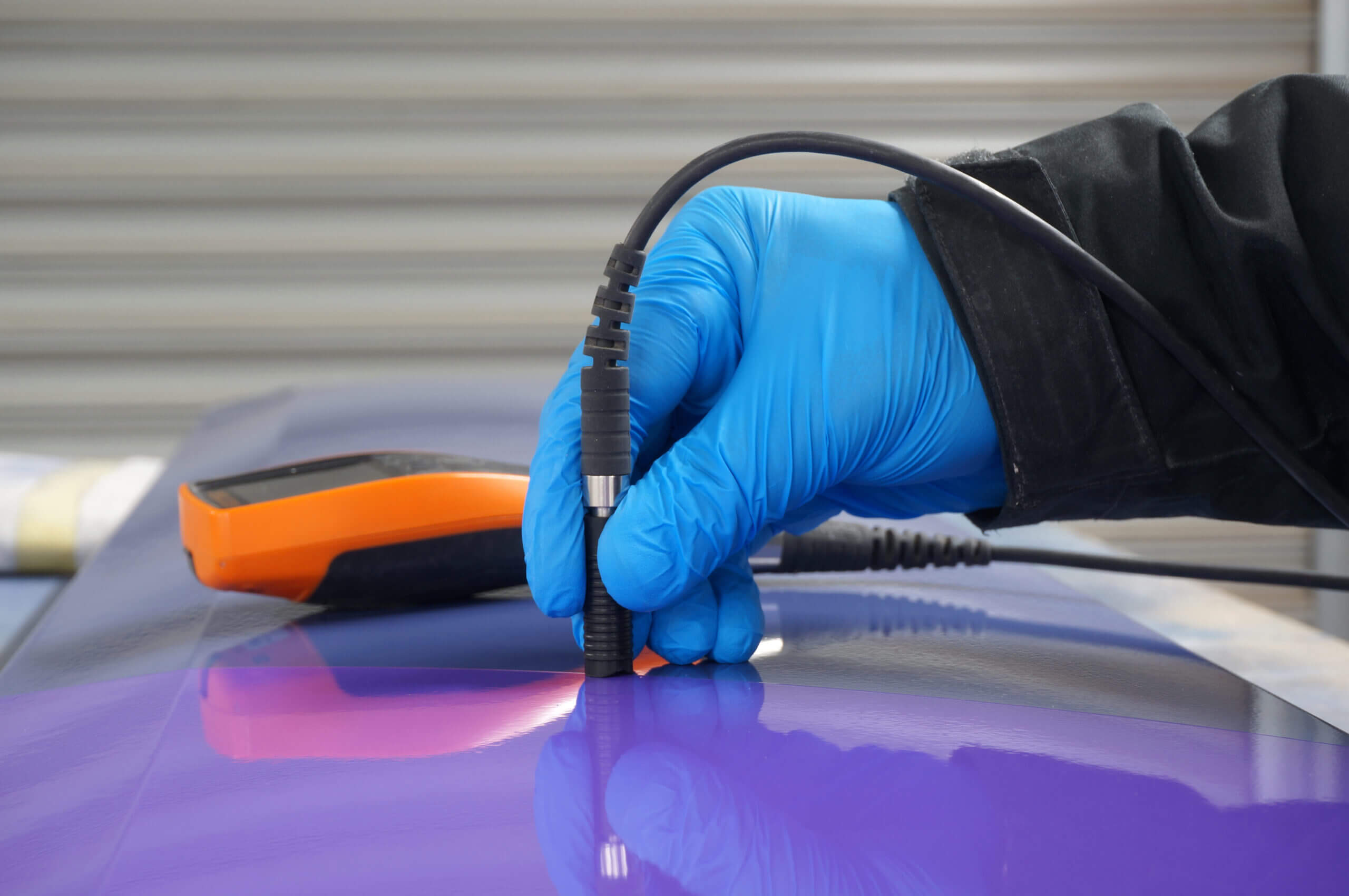
- 2. Coating Application Inspection: During coating application, inspectors monitor and verify adherence to coating specifications, including coating thickness, application method (e. g. , spray, brush, roller), ambient conditions (e. g. , temperature, humidity), and mixing ratios.
- 3. Quality Control Inspection: Inspectors conduct visual inspections of coated surfaces to detect defects such as bubbles, runs, sags, pinholes, or other imperfections that may compromise coating performance. Non-destructive testing (NDT) techniques such as adhesion testing, holiday (spark) testing, or dry film thickness (DFT) measurement may also be used to assess coating integrity.
- 4. Curing and Drying Inspection: Inspectors ensure that coated surfaces are allowed to cure or dry properly according to manufacturer recommendations and environmental conditions to achieve optimal coating performance and durability.
- 5. Surface Finish Inspection: Inspectors assess the final appearance and surface finish of coated surfaces to ensure compliance with aesthetic requirements and standards.
- 6. Documentation and Reporting: Inspection findings, including coating specifications, surface preparation details, coating application parameters, inspection results, and any deviations or non-conformities, are documented in inspection reports for record-keeping and compliance purposes.
TRIPEX coating/painting inspection helps ensure the quality, performance, and longevity of protective coatings, reducing the risk of corrosion-related failures and extending the service life of structures and equipment. Certified TRIPEX coating inspectors possess specialized knowledge and skills to effectively evaluate coating systems and ensure compliance with industry standards and specifications.
- How does Coating Inspection work?
-
It involves visual examination, dry film thickness (DFT) measurement, adhesion testing, and other methods to assess coating integrity and performance.
- What materials can be inspected using Coating Inspection?
-
Coating inspections are conducted on metals, concrete, and composites used in pipelines, tanks, bridges, and industrial equipment.
- Where is Coating Inspection commonly used?
-
It is widely used in industries such as oil and gas, marine, construction, and aerospace for corrosion protection and quality assurance.