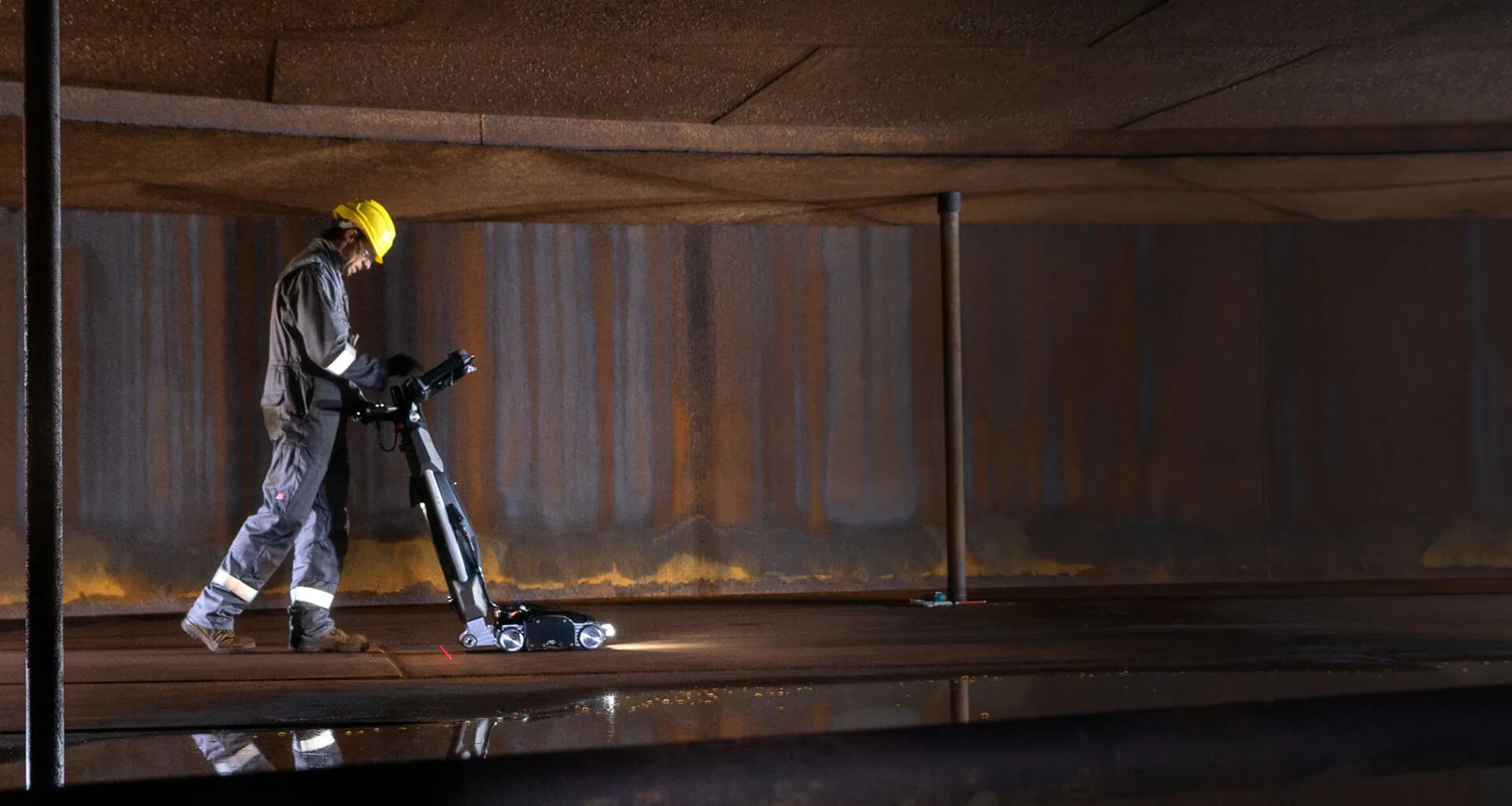
Magnetic Flux Leakage (MFL) Floor Mapping is a widely used non-destructive testing (NDT) method for detecting corrosion, pitting, and structural weaknesses in above-ground storage tank (AST) floors. Since tank floors are exposed to corrosive substances and environmental factors, ensuring their integrity is crucial for preventing leaks, product loss, and environmental hazards.
Key Advantages of MFL Floor Mapping
- 1. Fast and Efficient – Covers large areas quickly compared to manual ultrasonic testing
- 2. Detects Defects Under Coatings – Identifies flaws without requiring coating removal.
- 3. Minimizes Downtime – Provides rapid inspection results, allowing for quick maintenance decisions.
- 4. Improves Safety and Compliance – Helps industries comply with API 653 and other tank integrity standards.
By implementing MFL Floor Mapping as part of routine tank maintenance, industries can prevent costly failures, ensure compliance, and extend the service life of storage tanks.
FAQs:
- How does MFL Floor Mapping work?
-
A strong magnetic field is applied to the tank floor, and sensors detect changes in the field caused by corrosion or material loss, providing a detailed map of defects.
- What are the benefits of MFL Floor Mapping?
-
It enables fast, large-area scanning, detects defects under coatings, minimizes downtime, and helps plan targeted repairs to extend tank service life.
- What types of tanks require MFL Floor Mapping?
-
Above-ground storage tanks (ASTs) used for storing petroleum, chemicals, and water typically require MFL inspections to ensure structural integrity.
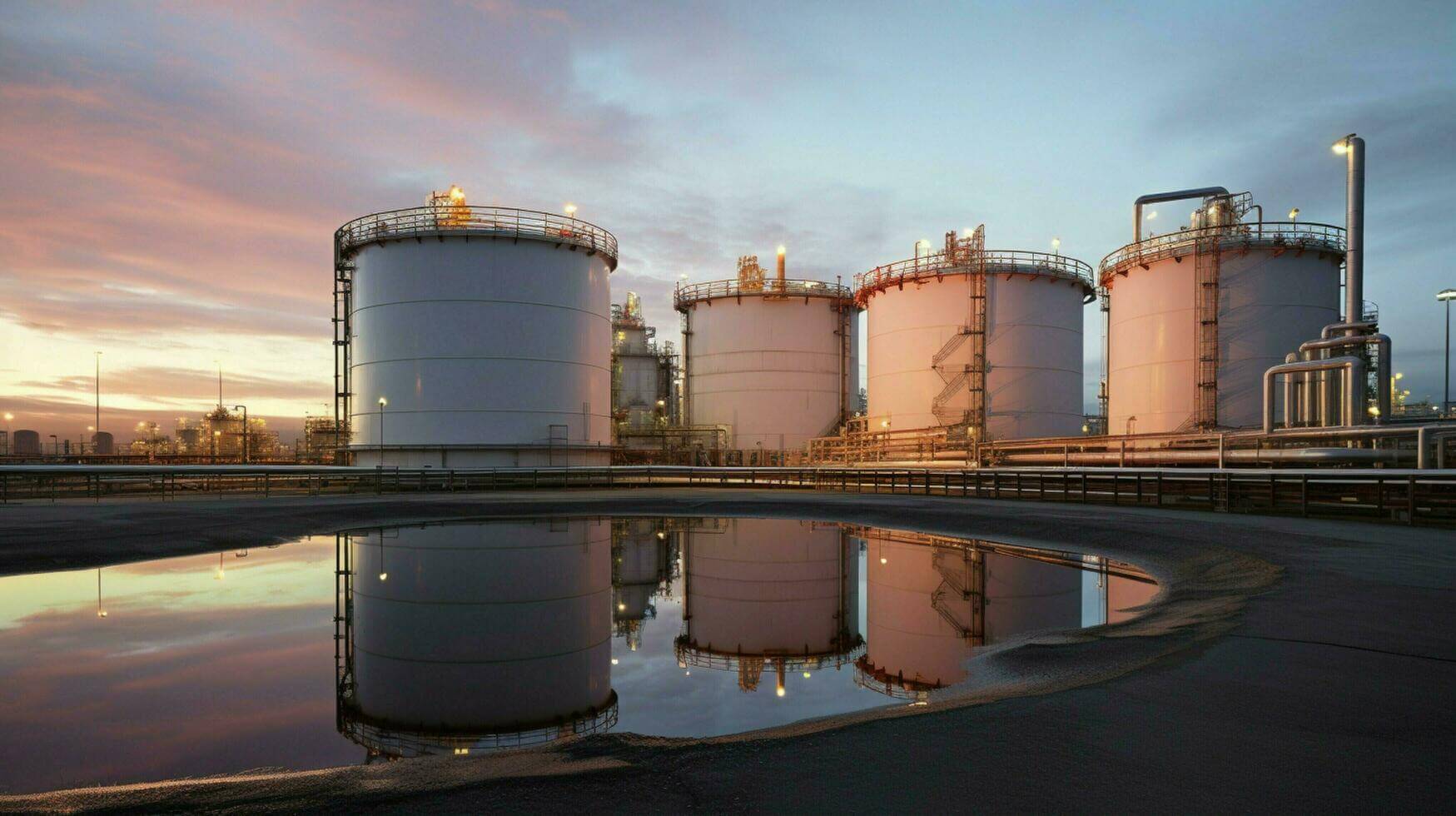
API 653 is a standard published by the American Petroleum Institute (API) that provides guidelines for the inspection, repair, alteration, and reconstruction of aboveground storage tanks (ASTs) used in the petroleum and chemical industries. The standard covers various types of ASTs, including those for storing crude oil, refined products, chemicals, and other liquids.
API 653 tank inspection involves a comprehensive examination of the tank’s integrity to ensure safe operation and compliance with regulatory requirements.
API 653 inspection process involves:
- 1. Initial Inspection: A thorough inspection is conducted when the tank is first put into service to establish a baseline condition. This includes checking for any construction defects, such as weld quality and material thickness.
- 2. Routine Inspections: Regular inspections are performed periodically to monitor the tank’s condition and identify any changes or deterioration over time. The frequency of routine inspections is typically determined by factors such as tank size, age, and service conditions.
- 3. External Inspection: Visual examination of the tank’s external surfaces, including the shell, roof, foundation, and appurtenances, to check for signs of corrosion, leakagetlment, or other damage.
- 4. Internal Inspection: Internal examination of the tank’s interior, including the floor, shell, roof, and welds, using various inspection techniques such as ultrasonic testing (UT), magnetic particle testing (MPT), and visual inspection, to detect corrosion, pitting, cracking, and other defects.
- 5. Thickness Measurements: Ultrasonic thickness measurements are taken at regular intervals around the tank shell and roof to assess the remaining thickness of the material and detect any localized corrosion or thinning.
- 6. Evaluation and Reporting: Inspection findings are evaluated against API 653 criteria to determine the tank’s fitness for continued service. Inspection reports are prepared detailing the condition of the tank, any deficiencies found, and recommendations for repair or maintenance.
- 7. Repair and Maintenance: Based on the inspection findings, necessary repairs, alterations, or maintenance activities are carried out to address identified deficiencies and ensure the tank’s continued integrity and compliance with regulatory requirements. API 653 tank inspections are essential for preventing leaks, spills, and failures that could lead to environmental contamination, safety hazards, and costly downtime. Compliance with API 653 standards helps ensure the safe and reliable operation of aboveground storage tanks throughout their service life.
API 653 tank inspections are essential for preventing leaks, spills, and failures that could lead to environmental contamination, safety hazards, and costly downtime. Compliance with API 653 standards helps ensure the safe and reliable operation of aboveground storage tanks throughout their service life.
FAQs:
- How does API 653 Inspection work?
-
The inspection involves visual checks, ultrasonic thickness testing, Magnetic Flux Leakage (MFL), and other NDT methods to assess corrosion, weld integrity, and foundation stability.
- What types of storage tanks require API 653 Inspection?
-
API 653 applies to above-ground, field-erected steel storage tanks built according to API 650 or similar standards.
- What are the advantages of API 653 Inspection?
-
It ensures regulatory compliance, prevents leaks and failures, extends tank service life, and helps plan maintenance more effectively.