
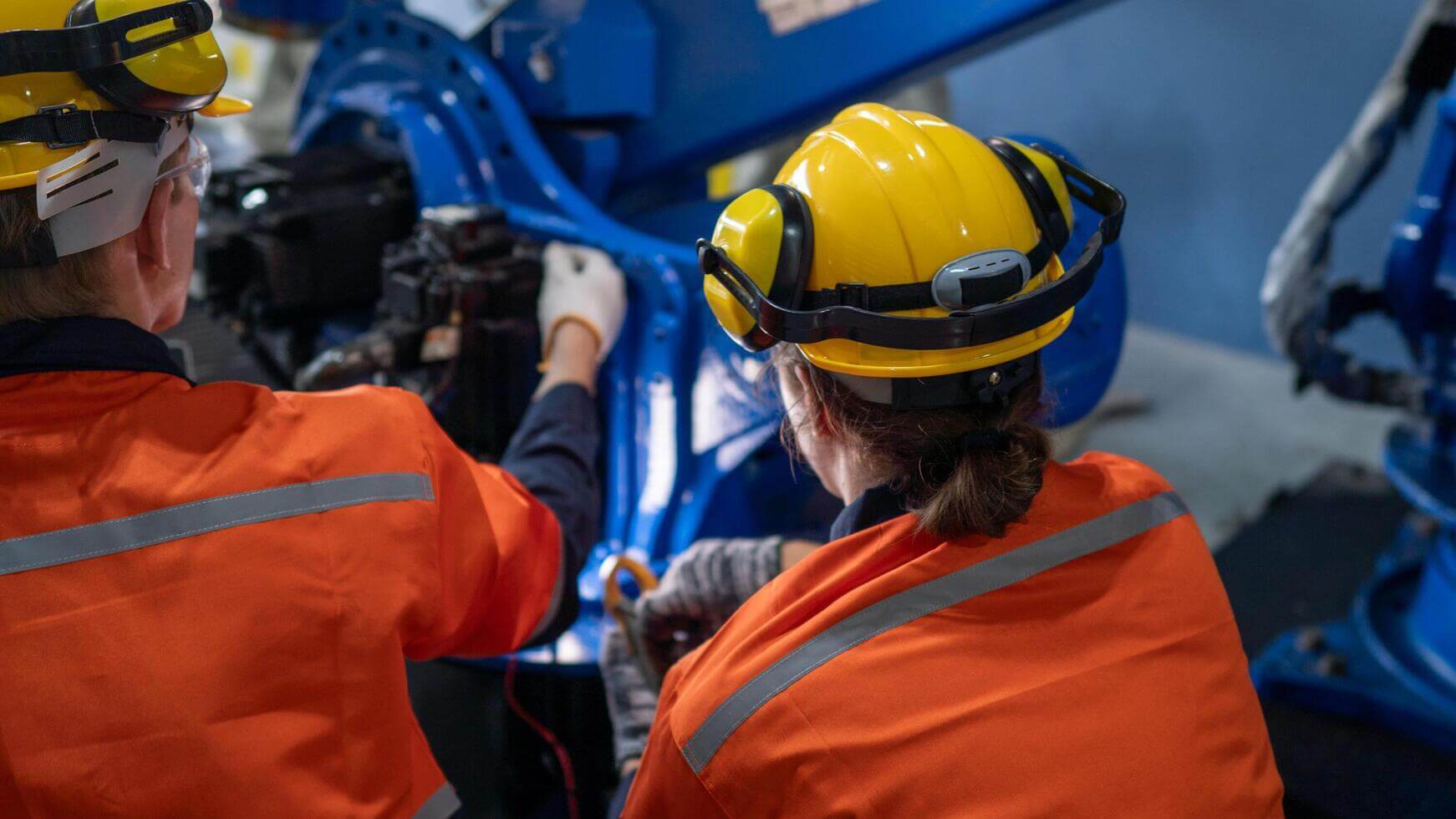
Our lifting inspectors are both Government accredited, and LEEA-UK accredited. At Tripex® Consultants, we specialize in providing comprehensive lifting equipment inspection and certification services to ensure the safety, reliability, and compliance of lifting equipment used across various industries. With a team of highly trained and certified inspectors and engineers, we offer tailored solutions to meet the unique needs of our clients and help them maintain the highest standards of safety and efficiency in their operations.
Our Services Include:
- Periodic Inspections: We conduct thorough inspections of lifting equipment, including cranes, hoists, slings, shackles, and rigging gear, to assess their condition, functionality, and compliance with regulatory requirements and industry standards.
- Load Testing: We perform load testing to verify the capacity and structural integrity of lifting equipment under specified load conditions, ensuring they can safely handle the intended loads without failure.
- Certification and Compliance: Our certification services include issuing certificates of compliance and inspection reports documenting the results of our inspections, load tests, and maintenance activities, demonstrating compliance with relevant regulations and standards.
- Training and Education: We offer training programs and workshops to educate operators, maintenance personnel, and safety professionals on proper lifting equipment usage, inspection techniques, and safety protocols, empowering them to effectively manage and maintain lifting equipment.
FAQs:
- How does Lifting Equipment Inspection work?
-
It involves visual checks, load testing, non-destructive testing (NDT), and functional assessments to verify the equipment’s structural integrity and safe operation.
- What types of lifting equipment require inspection?
-
Cranes, forklifts, chain slings, hoists, lifting beams, and shackles all require periodic inspection and certification for safe usage.
- What are the advantages of Lifting Equipment Inspection?
-
It helps prevent accidents, ensures compliance with safety regulations, extends equipment lifespan, and improves workplace safety.
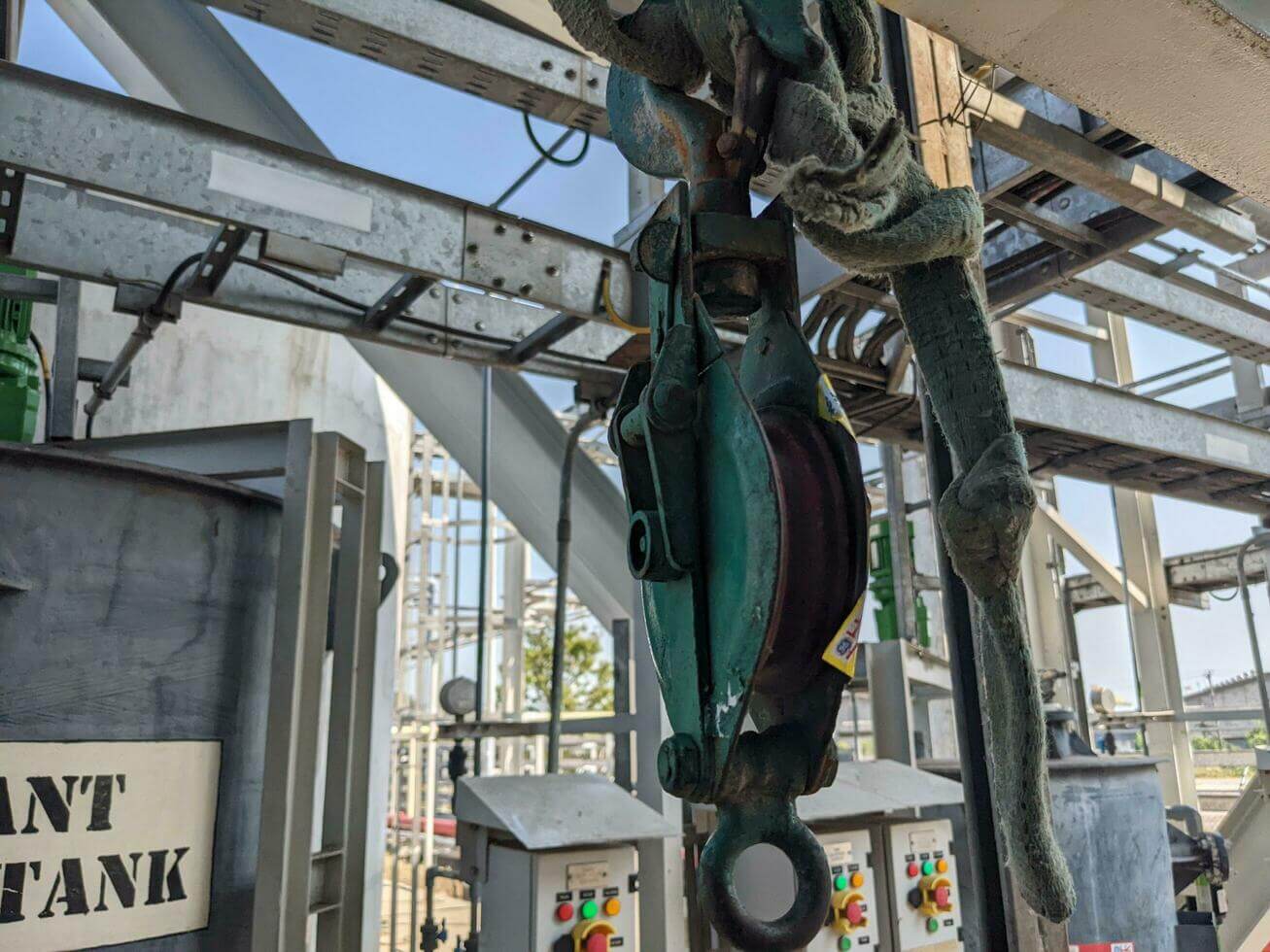
Lifting Accessories play a crucial role in material handling and heavy lifting operations. These components, including slings, shackles, and lifting hooks, are designed to ensure secure lifting and movement of loads. Choosing the right accessories based on load type, weight, and working conditions is essential for maintaining safety and efficiency.
There are various types of lifting accessories, each suited for different applications. Wire rope slings offer high strength and durability, making them ideal for heavy loads, whereas webbing slings are lightweight and flexible, reducing the risk of surface damage. Chain slings are preferred for rugged environments due to their high load capacity and resistance to abrasion. Additionally, shackles and lifting hooks serve as critical connectors in lifting operations, ensuring a firm grip on the load.
Safety is a key concern when using lifting accessories. Proper selection, regular inspections, and adherence to load limits are essential to prevent accidents. Operators must be trained to check for signs of wear, corrosion, or deformation before use. Overloading or improper usage can lead to failure, posing serious risks to personnel and equipment.
Compliance with industry standards such as LOLER (Lifting Operations and Lifting Equipment Regulations) and ASME B30 ensures that lifting accessories meet safety and quality requirements. Regular inspections, maintenance, and proper storage also contribute to their longevity and reliability.
Investing in high-quality lifting accessories and following best practices in their usage can significantly enhance workplace safety and operational efficiency. By prioritizing proper handling and maintenance, industries can minimize risks and ensure smooth lifting operations.
- How do Lifting Accessories work?
-
These accessories connect loads to lifting equipment like cranes and hoists, ensuring secure handling and weight distribution to prevent accidents.
- What are the common types of Lifting Accessories?
-
Common types include wire rope slings, chain slings, webbing slings, lifting hooks, eyebolts, turnbuckles, and lifting clamps.
- How often should Lifting Accessories be inspected?
-
Regular visual inspections should be done before each use, with thorough periodic inspections conducted based on industry regulations and manufacturer guidelines.
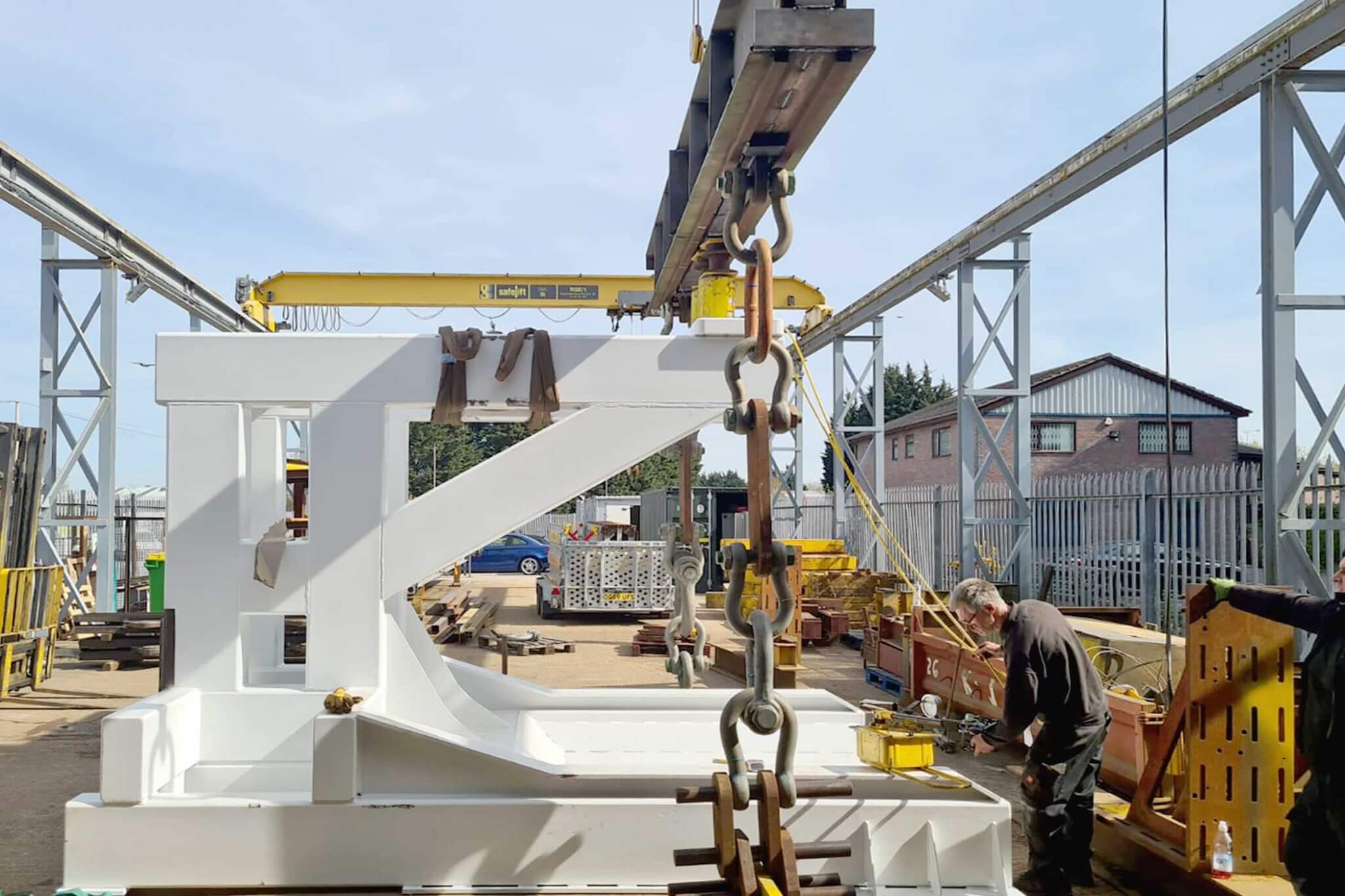
Proof-load testing is a critical quality assurance process used to validate the structural integrity and load-bearing capacity of lifting equipment, machinery, and structural components. By applying a controlled load that typically exceeds the maximum working load limit (WLL), this test helps confirm that the equipment can safely handle real-world operational stresses without permanent deformation or failure.
Purpose of Proof-Load Testing
The primary objective of proof-load testing is to ensure that lifting gear and load-bearing structures comply with safety regulations and perform reliably under expected working conditions. This testing helps identify potential defects, material weaknesses, or improper assembly before the equipment is put into service.
Proof-Load Testing Procedure
The testing process involves applying a load, often between 1.1 to 1.5 times the rated working load, for a specified duration. The load is applied using calibrated weights, hydraulic jacks, or water bags, depending on the equipment type. During testing, inspectors closely monitor for any signs of structural deformation, excessive deflection, or failure. If the equipment passes the test, it is certified as safe for use.
By conducting regular proof-load testing, industries can improve workplace safety, meet regulatory requirements, and prevent costly failures in critical lifting operations.
- How does Proof-Load Testing work?
-
The equipment is subjected to a test load, usually exceeding its rated capacity, for a specific duration to ensure it can safely withstand operational stresses without permanent deformation or failure.
- What types of equipment require Proof-Load Testing?
-
Lifting accessories (slings, hooks, shackles), cranes, hoists, structural components, and pressure vessels often require proof-load testing to meet industry safety standards.
- What are the advantages of Proof-Load Testing?
-
It ensures compliance with safety regulations, verifies load-bearing capacity, prevents equipment failures, and enhances workplace safety.